⏱️ Quick Takeaway
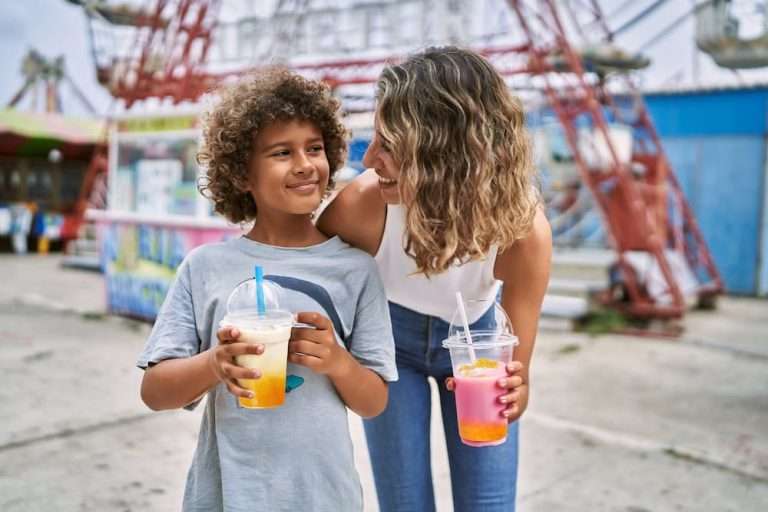
Gen Z and Gen Alpha are radically redefining beverage consumption by choosing customizable, functional, and visually engaging craft drinks over traditional sodas. Implementing smart beverage service systems like Botrista’s enables restaurant and dining operators to meet this demand for popular gen z drinks in under 20 seconds per cup without adding kitchen headcount.
The Shift in Consumer Power Across Digital Natives
As brands adapt to Generation Z (born 1997–2012), an influential new cohort is rapidly emerging: Generation Alpha (born 2013–2025). When comparing Gen Z vs. Gen Alpha, we see a fundamental shift in consumer power that is redefining the beverage industry in the digital age.
Both generations are true digital natives, shaped by constant connectivity, social media discovery, and instant access to information. Their combined preferences are pushing restaurant operators, theme parks, and campus dining venues to move beyond legacy soda fountains and reimagine their entire beverage architecture.
Gen Z vs. Alpha: Dining Habits and Flavor Preferences
Generation Z has earned a well-deserved reputation as the “foodie generation.” Nearly half (49%) consider themselves foodies, and 63% say they actively enjoy trying new foods. For this group, beverages are not merely liquid refreshment—they are experiential lifestyle statements and daily social connectors.
Gen Alpha, despite being much younger, is already exhibiting similar tendencies:
Early Flavor Exploration
According to industry research, 91% of parents report that their Gen Alpha children enjoy trying new foods. This indicates that adventurous eating and drinking habits are forming earlier than in any previous generation.
Global & Fusion Profiles
Driven by early exposure to international food culture online, younger consumers expect globally inspired flavors—such as ube, matcha, passionfruit, and taro—blended into familiar formats.
Evolution of Gen Z Drinks
Demand for trending gen z drinks—including dirty sodas, fruit refreshers, botanical lemonades, and functional teas—has forced operators to offer continuous menu variety rather than relying on static, traditional beverage menus.

Spending Power and Purchase Influence
The commercial impact of these two generations represents a massive revenue opportunity for foodservice operators:
Gen Z Direct Capital
Gen Z commands an estimated $360 billion in direct disposable income. Additionally, they are financially conscious, with 72% actively tracking their spending habits and prioritizing high-value, memorable experiences.
Gen Alpha Household Influence
While Gen Alpha does not yet control its own income, its indirect purchasing power is undeniable. Approximately 87% of parents say their Gen Alpha children directly influence household purchasing decisions, from choosing quick-service restaurants to requesting specific drink brands seen online.
Key Testing Grounds
Environments like quick-service restaurants (QSRs), college campuses, theme parks, and entertainment venues have become critical testing grounds where the combined influence of Gen Z and Gen Alpha drives impulse beverage sales.
Content Consumption and Digital Influence
Digital platforms function as the primary discovery aisle for younger demographics. According to consumer insights from Mintel Food & Drink Research, visually engaging products shared across social feeds dictate daily purchasing habits.
Social Media as a Discovery Engine
Gen Z spends an average of 4 hours and 33 minutes per day on social media platforms like TikTok and Instagram. In fact, 80% of Gen Z shoppers report purchasing a product after seeing it online.
The AI-Native Generation
Gen Alpha is growing up as the first fully AI-assisted native generation. They develop digital fluency earlier, making them less responsive to traditional advertising and far more influenced by interactive content, digital creators, and peer recommendations.
Visual & Customization Demand
Over 72% of parents report that their children prefer products that can be customized. Vibrant, layered drinks created specifically for digital shareability consistently outpace plain carbonated beverages in social engagement.

A Shared Obsession: Boba and Beverage Culture
One of the strongest overlaps between Gen Z and Gen Alpha is their overwhelming enthusiasm for boba and specialty craft beverage culture. Data from the National Restaurant Association underscores that specialty beverages continue to be a top driver of check-size expansion.
Boba and craft teas check every box for younger consumers:
1. Hyper-Customizable
Allows guests to adjust sweetness levels, ice ratios, dairy alternatives, and texture add-ins (popping boba, jellies, egg pudding).
2. Visually Striking
Distinct colorful layers and floating toppings make every cup social media-ready.
3. Experiential & Social
Drinking boba is an active social event, bridging the gap between dining out and personal self-expression.
Overcoming Operational Friction with Smart Beverage Service Systems
While consumer demand for customized gen z drinks is at an all-time high, hand-crafting multi-ingredient craft beverages introduces severe back-of-house operational challenges. Manual tea brewing, syrup measuring, and pearl preparation traditionally require dedicated baristas, extend ticket times to 3–5 minutes per drink, and cause excessive ingredient waste.
Deploying smart beverage service systems like Botrista’s allows foodservice operators to bridge the gap between complex menu innovation and kitchen efficiency:
Sub-20-Second Fulfillment
Automated dispensing platforms blend, dose, and dispense complex craft drinks in under 20 seconds, eliminating peak-hour counter bottlenecks.
Zero Barista Labor Overhead
Entry-level staff operate an intuitive touchscreen interface without requiring specialized culinary training or dedicated kitchen prep stations.
Algorithmic Recipe Precision
Automated liquid dosing eliminates ingredient over-pouring and liquid waste, maintaining 100% portion control and taste consistency across every location.
Compact Operational Footprint
Operating within a compact 4.5 sq. ft. floor-standing footprint, Botrista’s BotristaPro machine seamlessly into existing dining hubs without requiring expensive mechanical or plumbing retrofits.
What This Means for Brands & Foodservice Operators
To remain competitive and capture the lifetime loyalty of Gen Z and Gen Alpha, operators should focus on five core operational strategies:
1. Create Customizable & Interactive Drink Programs
Enable guests to personalize sweetness, flavor shots, and toppings.
2. Offer Globally Inspired Flavors
Introduce trending profiles like dragon fruit, lychee, matcha, and swicy (sweet + spicy) fusions.
3. Prioritize Digital-First Presentation
Design menu items with vibrant color contrast and visual appeal suited for social sharing.
4. Automate Production to Protect Margins
Implement smart beverage service systems to decouple specialty drink execution from kitchen labor.
5. Maintain Authenticity & Transparency:
Use real fruit purees, botanical tea bases, and clean ingredients that resonate with wellness-minded consumers.

Looking Ahead: Preparing for Generation Beta and Beyond
Gen Z drives today’s beverage trends, and Gen Alpha is rapidly shaping tomorrow’s retail landscape. However, forward-thinking operators are already looking toward Generation Beta (born 2025–2039).
Raised by Gen Z digital-native parents who prioritize functional health and transparency, Generation Beta will grow up expecting hyper-personalized, ultra-low-sugar, and nutrient-dense functional beverages from early childhood. Furthermore, Gen Beta beverage discovery will be driven by real-time AI ingredient customization and immersive sensory experiences, making automated precision dispensing an essential component of future dining infrastructure.
Final Thoughts
Winning the loyalty of Gen Z and Gen Alpha extends far beyond introducing new flavors—it requires rethinking how drinks are ordered, prepared, and experienced.
By combining trend-forward menu innovation with smart beverage service systems like Botrista’s, foodservice operators can seamlessly satisfy the demand for customized, premium beverages while protecting their back-of-house operations from ongoing labor shortages.
FAQ
What are the most popular gen z drinks in foodservice today?
The most sought-after gen z drinks include customizable boba milk teas, real fruit refreshers, dirty sodas, botanical iced teas, energy-boosting adaptogenic drinks, and low-sugar functional beverages.
How do smart beverage service systems help operators handle complex drink orders?
Smart beverage service systems such as Botrista’s automate ingredient dosing, mixing, and dispensing via an intuitive touchscreen interface. This enables entry-level kitchen staff to prepare complex, multi-ingredient craft drinks with 100% recipe accuracy in under 20 seconds, eliminating manual prep and specialized barista labor.
How does Gen Alpha influence restaurant beverage sales if they don't have their own income?
While Gen Alpha lacks direct income, 87% of parents report that their Gen Alpha children directly influence household purchasing decisions. Their preferences for customizable, visually appealing, and trending drinks dictate where families choose to dine out and drive impulse beverage purchases.
About Botrista
Botrista provides automated beverage solutions that allow foodservice operators to increase average check size and beverage attachment through high-quality craft drinks.
Operating across restaurants, convenience stores, higher education campuses, hospitals, and virtual kitchens, Botrista’s cloud-connected BotristaPro system pairs algorithmic dispensing with world-class ingredients to deliver barista-quality beverages in seconds.
Headquartered in San Francisco, Botrista serves partners across North America and select international markets.
To learn more, visit botrista.com.