⏱️ Quick Takeaway
Consumer palates are increasingly global, moving past conventional fountain sodas toward culturally rich, multi-sensory drink experiences. The BotristaPro automated platform enables restaurant operators to tap into top beverage flavor trends with operational ease through:
Turnkey Global Profiles: Serve authentic taro, vibrant ube, spiced horchata, and boba teas from a single dispenser.
Zero Back-of-House Prep: Aseptic Bag-in-Box packaging eliminates messy powder blending, batch brewing, and ingredient spoilage.
Sub-20-Second Consistency: Pour high-margin craft beverages with precision, securing high-margin craft beverage returns with zero added barista labor.
The New Culinary Landscape: Global Cravings Enter the Mainstream
Beverage innovation has officially moved beyond standard flavor syrup additions. Today’s diners—shaped by culinary social media and international travel—demand dynamic, visually compelling, and culturally authentic flavor journeys.
According to industry menu tracking from Datassential, international flavor profiles have experienced double-digit penetration growth across U.S. fast-casual and quick-service restaurant menus. Furthermore, consumer research from Technomic indicates that younger demographics—specifically Gen Z and Millennials—actively seek out unfamiliar culinary profiles, rating experiential beverages as a primary reason for choosing where to dine.
The commercial opportunity is clear: when restaurants rely solely on legacy carbonated soft drinks, they miss high-margin incremental beverage occasions. By offering innovative, globally influenced drinks, operators convert casual walk-ins into premium ticket buyers, transforming the beverage counter into a high-growth revenue center.
3 Major Flavor Movements Shaping Modern Beverage Programs
To build a high-performing beverage menu, operators must align their offerings with three distinct flavor movements shaping consumer demand:
1. Tradition Transcended: Classic Foundations Meet Modern Textures
Consumers still seek comforting familiarity, but they expect modern twists. Classic baselines like black milk tea, brewed iced teas, and strawberry lemonades serve as the foundation for multi-sensory upgrades.Nowhere is this clearer than in the meteoric rise of boba tea, with industry projections estimating the global bubble tea market will reach $5.4 billion by 2032. Adding chewy brown sugar tapioca pearls, popping fruit boba, or velvety cold foam toppers turns everyday tea into a craveable, textural snack that commands premium pricing ($5.50 to $7.50+).
2. Cross-Cultural Fusion: Asian and Latin Flavor Cravings
Regional specialties from East Asia and Latin America have officially crossed over into mainstream dining:Ube and Taro: Celebrated for their striking natural violet hues and nutty, vanilla-like earthiness, these root ingredients have seen explosive popularity across lattes, milk teas, and blended frappes. Authentic Horchata & Chicha Morada: Creamy, cinnamon-laced rice milk (horchata) and Peruvian spiced purple corn refreshers (chicha morada) offer deeply satisfying alternatives to conventional fountain sodas.Savory & “Swicy” Innovations: The cocktail and mocktail sectors are embracing unexpected culinary pairings—from sweet-spicy mango habanero lemonades to savory-inspired drinks like Caprese martinis and mint-avocado refreshers.
3. Plant-Based Dairy Alternatives & Functional Botanicals
Health-minded consumers are driving rapid menu adoption of clean, dairy-free bases. Beyond standard oat and almond milks, emerging options like buckwheat milk and botanical infusions provide sustainable, allergy-friendly choices. These ingredients pair seamlessly with cold-brewed matcha and green teas to provide sustained, jitter-free energy. Explore dynamic formulations on our trending drink categories page.

Executing Global Flavor Innovation Without Kitchen Chaos
The primary barrier preventing multi-unit restaurant operators from adopting trending flavors has never been lack of customer demand—it has always been the operational friction of back-of-house execution. Sourcing niche ingredients from dozens of separate vendors, teaching high-turnover crews how to mix complex powder bases, and keeping blenders clean during a rush can quickly strain kitchen workflows.
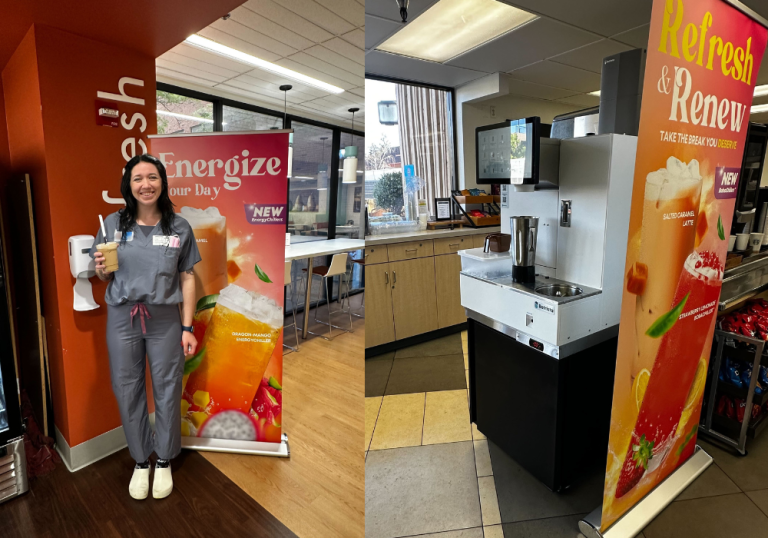
Deploying an automated drink dispenser for commercial kitchens removes back-of-house complexity entirely:
Sub-20-Second Push-Button Throughput
Frontline team members tap the recipe on an intuitive touchscreen. The machine algorithmically meters, doses, and blends ingredients in under 20 seconds, keeping speed of service synchronized with fast-casual food assembly.
Closed-Loop Quality Control
Aseptic Bag-in-Box (BIB) packaging houses real fruit purees, authentic brewed tea concentrates, and botanical extracts internally. Ingredients remain sealed from light and air, preventing cross-contamination and eliminating prep spoilage.
Protected, Predictable Returns
Closed-loop liquid metering eliminates free-pouring errors and portion drift across shifts, ensuring operators capture maximized beverage profitability on every transaction.
Agile Menu Deployment via CloudBar
As flavor trends evolve, operators can launch seasonal Limited-Time Offers (LTOs) across multi-unit locations digitally via Botrista's CloudBar software—updating store menus without printed recipe manuals or costly crew retraining.
See how leading franchise concepts scale their beverage check sizes in our Halal Guys Beverage Case Study.
Final Thoughts
Consumer demand for bold, globally inspired beverages is not a passing fad—it is the new baseline for modern restaurant dining. Sticking to legacy soda fountains leaves substantial high-margin revenue on the table and fails to connect with younger, adventure-seeking diners.
By adopting automated beverage dispensing, multi-unit operators can effortlessly expand their menus with authentic international flavors, streamline back-of-house operations, and build a resilient, high-margin beverage engine that drives revenue on every shift.
FAQ
What are the fastest-growing beverage flavor trends on restaurant menus?
The fastest-growing trends center on cross-cultural flavors from Asia and Latin America (such as ube, taro, horchata, and matcha), functional botanical teas, and textural beverages featuring boba or cold foams. Diners are actively seeking clean-label, low-sugar, and plant-based alternatives to traditional high-fructose fountain drinks.
How can restaurant operators serve authentic boba and specialty teas without specialized equipment?
Automated beverage platforms like BotristaPro integrate fluid dosing, tea dispensing, and topping execution into a single, compact footprint. Because recipes are pre-calibrated digitally, existing line staff can pour consistent, barista-quality boba teas and craft refreshers in under 20 seconds with zero dedicated barista training.
Can multi-unit restaurants launch trending international flavors without supply chain headaches?
Yes. By partnering with an end-to-end beverage solution like Botrista, operators bypass the challenge of managing multiple specialty vendors. Botrista curates globally sourced, shelf-stable aseptic ingredients delivered in standardized Bag-in-Box packaging, ensuring consistent product availability and quality across all franchise locations.
About Botrista
Botrista provides automated beverage solutions that allow foodservice operators to increase average check size and beverage attachment through high-quality craft drinks.
Operating across restaurants, convenience stores, higher education campuses, hospitals, and virtual kitchens, Botrista’s cloud-connected BotristaPro system pairs algorithmic dispensing with world-class ingredients to deliver barista-quality beverages in seconds.
Headquartered in San Francisco, Botrista serves partners across North America and select international markets.
To learn more, visit botrista.com.