⏱️ Quick Takeaway
Craft cocktails continue to grow in popularity, but delivering them consistently during busy service periods can be challenging. Cocktail automation helps restaurants serve premium beverages faster while maintaining quality, reducing labor demands, and simplifying beverage operations.
Today’s guests expect more than a standard drink menu. They want premium cocktails, seasonal flavors, and customizable beverages that enhance their dining experience.
While handcrafted cocktails remain popular, they also create operational challenges for restaurants. Longer preparation times, staff training, and recipe consistency can slow service and reduce efficiency during peak hours.
Cocktail automation helps operators overcome these challenges by combining speed, consistency, and flexibility—allowing restaurants to serve high-quality beverages without increasing operational complexity.
Craft Cocktail Programs Can Be Challenging
Offering handcrafted cocktails creates major top-line opportunities—especially as CGA by NIQ data ranks cocktails as one of the most popular on-premise beverage categories globally. However, meeting this surging demand also introduces complex operational demands for busy bars and restaurants.
Restaurants often struggle with:
- Long preparation times during busy service
- Extensive bartender training
- Inconsistent drink quality
- Recipe complexity
- Ingredient waste
- Labor shortages
These challenges make it difficult to scale premium beverage programs while maintaining a consistent guest experience.
How Cocktail Automation Works
Modern beverage automation uses precision dispensing technology to prepare cocktails quickly and consistently.
Instead of manually measuring ingredients for every drink, automated systems follow pre-programmed recipes to ensure every beverage is prepared the same way.
This allows restaurants to:
- Serve cocktails more quickly
- Maintain recipe consistency
- Reduce employee training
- Improve operational efficiency
- Launch seasonal beverages with minimal disruption
For guests, the experience remains premium. For operators, the process becomes significantly more efficient.

Benefits of Cocktail Automation
1. Faster Service
During peak hours, every second matters. Automated beverage systems can dramatically reduce drink preparation time, helping restaurants serve more guests without sacrificing quality.
2. Consistent Drink Quality
Customers expect their favorite cocktail to taste the same every visit.
Automation removes much of the variability associated with manual preparation, helping restaurants maintain consistency across shifts and locations.
3. Easier Staff Training
Training new employees to prepare dozens of complex cocktail recipes takes valuable time—a major hurdle given that over 70% of operators report ongoing staffing challenges in the National Restaurant Association’s State of the Industry report. Automation simplifies drink preparation, allowing new hires to master beverage systems in minutes while maintaining high-quality standards across every shift.
Automation simplifies beverage preparation, allowing staff to learn systems more quickly while maintaining high-quality standards.
4. Reduced Waste
Automated dispensing helps improve portion control, reducing ingredient waste and supporting better inventory management.
5. Greater Menu Flexibility
Restaurants can quickly introduce seasonal cocktails, limited-time offerings, and trending beverages without requiring extensive retraining.
Keeping Up With Beverage Trends
Consumer preferences change quickly. One season may feature tropical fruit cocktails, while the next introduces botanical flavors, spicy margaritas, or espresso martinis.
Cloud-connected beverage systems allow operators to update menus efficiently while responding to changing customer preferences.
This flexibility helps restaurants keep beverage programs fresh throughout the year.
Beverage Automation Supports Restaurant Operations
Beverage automation offers benefits that extend beyond cocktail preparation.
With Botrista, operators can:
- Prepare cocktails in approximately 20 seconds
- Maintain recipe consistency across every shift
- Reduce bartender workload
- Launch seasonal menus quickly
- Serve both alcoholic and non-alcoholic beverages
- Expand beverage offerings without increasing complexity
Rather than replacing hospitality, automation gives staff more time to focus on guest interactions while technology handles repetitive preparation tasks.
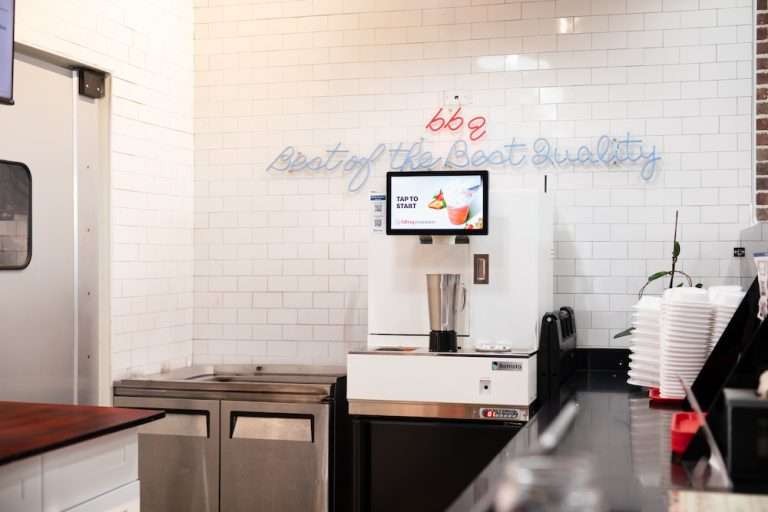
Customer Spotlight: BB.Q Chicken

BB.Q Chicken wanted a beverage program that complemented its bold Korean-inspired menu while remaining simple for staff to operate.
After implementing Botrista, operator Dal Kim found that beverage preparation became easier while creating a better overall guest experience.
“Botrista has really tried to make my life easier, from a day-to-day operations side. Because of our great drinks, people tend to linger and enjoy their experience longer here.”
— Dal Kim, Operator at BB.Q Chicken
The result was a beverage program that supported both operational efficiency and guest engagement.
Final Thoughts
Cocktail automation is transforming how restaurants approach beverage service. By improving speed, consistency, and operational efficiency, automated beverage systems allow operators to deliver premium cocktails while meeting the demands of today’s hospitality industry.
As beverage menus continue to evolve, investing in automation can help restaurants create memorable guest experiences while building more scalable and profitable beverage programs.
FAQ
What is cocktail automation?
Cocktail automation uses beverage technology to prepare cocktails consistently and efficiently, helping restaurants reduce labor demands while maintaining drink quality.
How does cocktail automation programs improve restaurant operations?
Automation programs such as Botrista’s improves service speed, simplifies employee training, reduces ingredient waste, and delivers consistent beverage quality across every shift.
Is cocktail automation only for bars?
Restaurants, hotels, entertainment venues, colleges, and other foodservice operators can use cocktail automation to improve beverage service.